Panic Bar Repair and Installation
The one thing an exit device must never do is require a second action, a key, or a moment of thought.
Call (408) 418-0044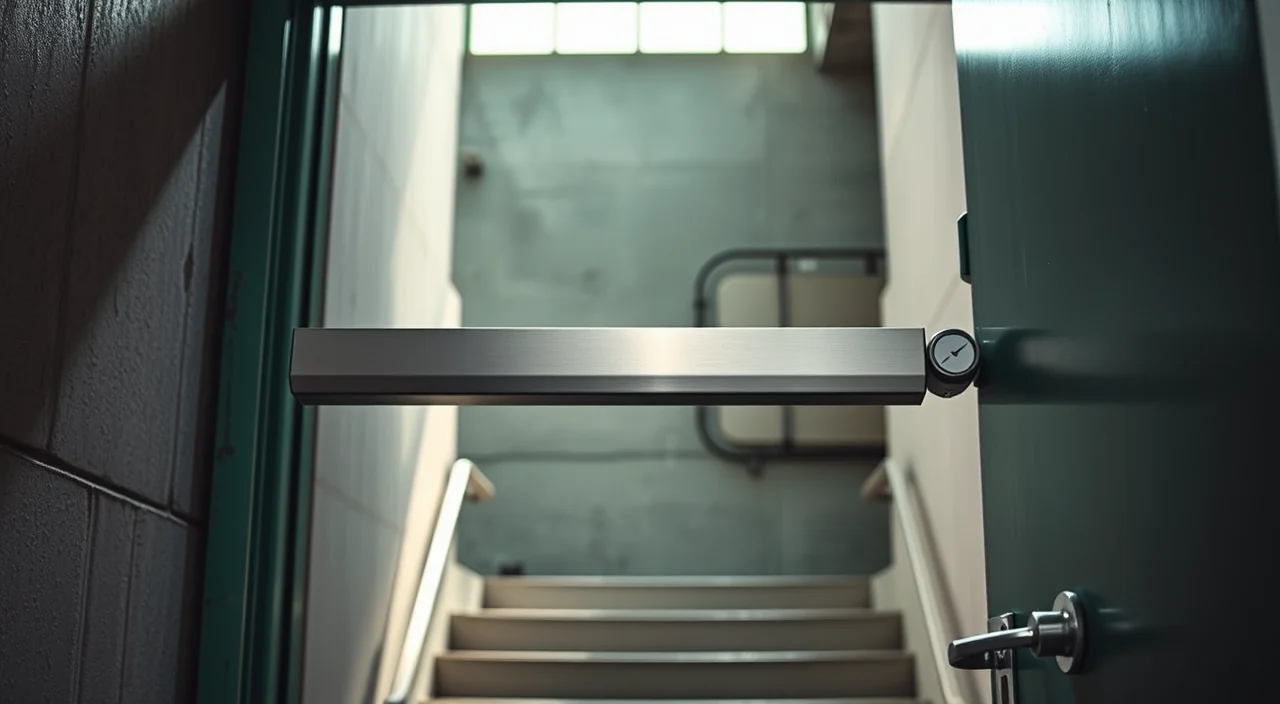
A panic bar is a latch release operated by pushing anywhere along a horizontal bar. It exists so that a person who cannot see, cannot think clearly, and is being pushed from behind still gets the door open simply by falling against it. Everything else about the device — the trim on the outside, the alarm, the dogging feature — is secondary to that one behaviour.
It is also the rule that constrains what may be fitted around it. A door on an exit route has to open from the inside in a single motion, without a key and without releasing something else first. That is why a bar cannot legitimately be chained, padlocked, or topped with a thumbturn deadbolt, however much a business would like the extra reassurance after closing.
What goes wrong with exit devices
- The latch no longer holds. The bar releases perfectly, the door simply will not stay shut — usually a worn latch or a strike that has drifted.
- The bar needs a hard push, or a push in one particular spot — internal binding, a bent touchpad, or a door that has dropped and is now loading the device.
- Vertical rods out of adjustment. On a device latching top and bottom, one rod stops engaging and the door rattles in the wind or blows open.
- Outside trim loose or spinning, so the key or lever no longer retracts the latch from outside even though the bar still works perfectly from inside.
- Somebody has added a second lock. A surface bolt, a hasp or a night latch above a push bar defeats the whole purpose of the device.
Describe these when you call
- Whether it is a single door or a pair, and whether both leaves carry bars.
- Whether it latches at the edge only, or at the top and bottom of the door.
- Whether the failure is opening from inside, latching when it shuts, or getting in from outside.
- Whether the door is used as a normal entrance during the day or only ever as a way out.
- Whether anyone has added a chain, bolt or padlock, since removing that is part of putting it right.
If the door opens and latches correctly and the problem is only in how it closes — slamming, drifting, or standing open — that is the unit above the door rather than the bar on it. see door closer repair.
Common questions
Can we lock a fire exit at night when the building is empty?
The door can be secured against entry from the outside; it must still open from the inside with a single push. The legitimate answers are outside trim and cylinders that stop people getting in, or an alarmed device that makes an exit noisy, rather than anything that physically stops the bar from working.
What is dogging and when should it be used?
Dogging holds the latch retracted so the door pushes open freely like a swing door, used during trading hours so customers are not fighting a latch, and released at closing so the door latches again. On some devices it is a hex key, on others a cylinder. On an opening that has to latch as part of a rated assembly, the device is generally not permitted to be dogged at all.
Our bar works but the door will not stay shut in the wind.
That is the latching rather than the release. On a rim device it is usually the strike position; on a vertical rod device it is usually the top rod out of adjustment or the bottom latch worn away by grit at floor level. Both are adjustments long before they are replacements.
Can a panic bar go on a glass storefront door?
Yes. Narrow stile versions exist specifically for aluminium doors that have very little material to fix into. The device has to suit the stile width and the existing prep, because a bar designed for a wide hollow metal door has nowhere to fasten on a slim aluminium rail.
Related locksmith services
Describe the lock or key problem
A short description of what happened gets the right tools on the vehicle.
Call (408) 418-0044