Door Closer Repair
A closer has one job with two halves — bring the door all the way home, and do it without hurting anybody.
Call (408) 418-0044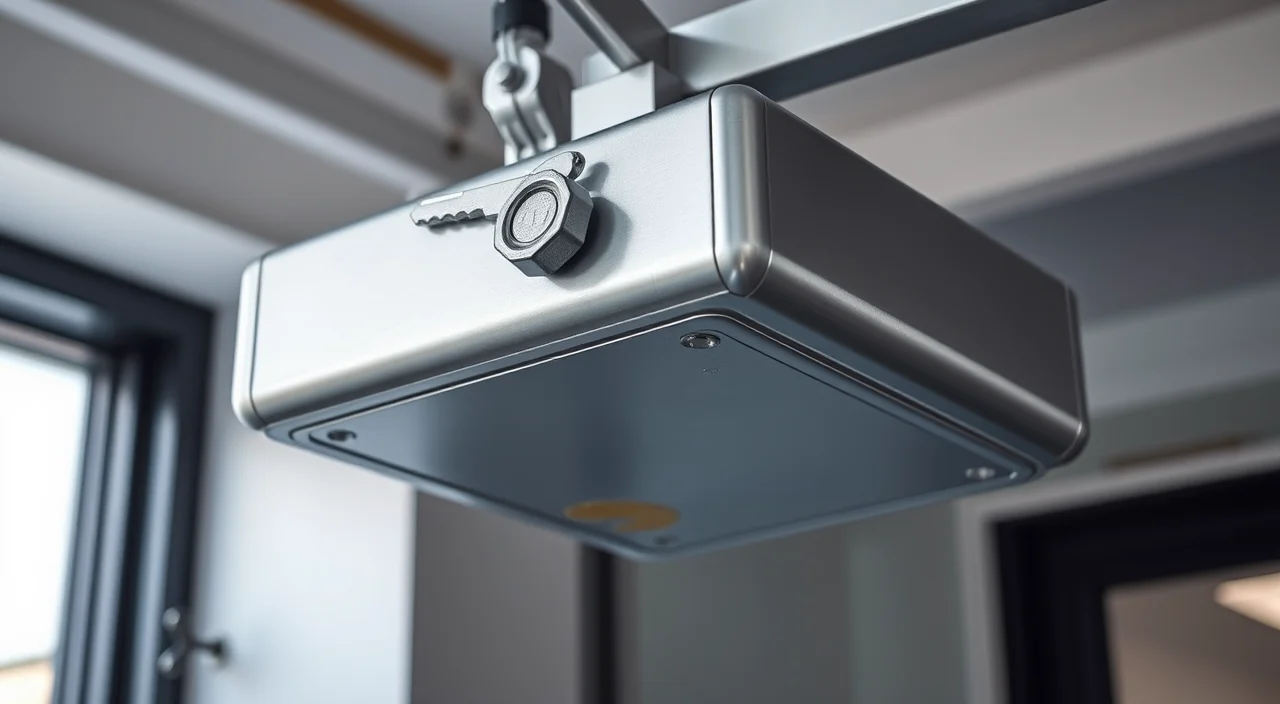
An overhead closer is a spring inside a body full of oil, with valves metering how fast that oil can move. The spring supplies the force that shuts the door; the valves decide the character of the closing — a brisk sweep across most of the arc, a slower latch speed through the last few inches, and often a backcheck that catches the door before it can be flung into a wall.
Almost everything people dislike about a door is one of those settings being wrong. A door that slams has too much latch speed. A door stopping an inch short has too little, or a spring too weak for the draught it is fighting. A door that will not latch is very often a closer problem being blamed on the lock, which is why the two are diagnosed on the same visit.
What the behaviour is telling you
- Slams at the end — latch speed set too fast, or a valve opened up over the years to overcome a door that was sticking for other reasons.
- Stops short and sits ajar — spring power too low for the door, or an alignment problem the closer is being asked to bully its way through.
- Oil on the door face, the arm or the floor — the seals have gone. A leaking closer cannot be adjusted back into health and is replaced.
- Too heavy to push open — spring power wound up to force a poorly aligned door shut, which makes the opening hard work for anyone with limited strength.
- Bent or disconnected arm — usually a door flung open past its stop, which also strains the fixings and the head of the frame behind them.
Worth knowing before the visit
- Whether the closer sits on the inside or the outside face, and whether the arm is a scissor style or runs in a track.
- Whether the door is part of a rated assembly required to close and latch on its own, which limits what may be adjusted or removed.
- Whether the door is currently propped, and what people are propping it for.
- Whether the door drags on the floor or rubs the frame at any point in its swing.
- Whether there is oil anywhere on the door, the arm or the floor beneath it.
If the door closes properly and simply refuses to latch once it arrives, start at the strike and the lock rather than overhead. see commercial lock repair.
Common questions
Can a closer be adjusted instead of replaced?
Frequently. Sweep speed, latch speed and backcheck are separate valves, and spring power is adjustable on most modern units, so adjustment is the first move because it is quick and reversible. The exceptions are a leaking body, a broken arm, or a closer that was simply the wrong size for the door from the day it went up.
Our door is too heavy for staff to open. Can it be lightened?
Usually. Opening force is mostly spring power, and it has often been wound up over the years to compensate for something else entirely — a dragging door, a stiff latch, a draught from a stairwell. Fixing the underlying cause lets the spring come back down, which is a better outcome than a door nobody can move.
Is it safe to take off a closer we do not want?
Not on every door. A door forming part of a rated assembly is required to close and latch by itself, and a door held to a corridor or a stair by that arrangement is not a matter of taste. On an ordinary interior door with no such duty it is straightforward, although the fixing holes stay behind.
Why does our door work in winter and fail in summer?
Air pressure and thermal movement. Heating, ventilation and a door propped open elsewhere in the building all change the pressure a closer is working against, and frames grow in the heat. A closer set with almost no margin fails on exactly the days conditions shift, which is why a little reserve at the latch is worth keeping.
Related locksmith services
Describe the lock or key problem
A short description of what happened gets the right tools on the vehicle.
Call (408) 418-0044