
How Transponder Keys and Car Immobilisers Work
The blade turns the lock. The chip gives the engine permission. Understanding which of the two has failed is most of the diagnosis.
Call (408) 418-0044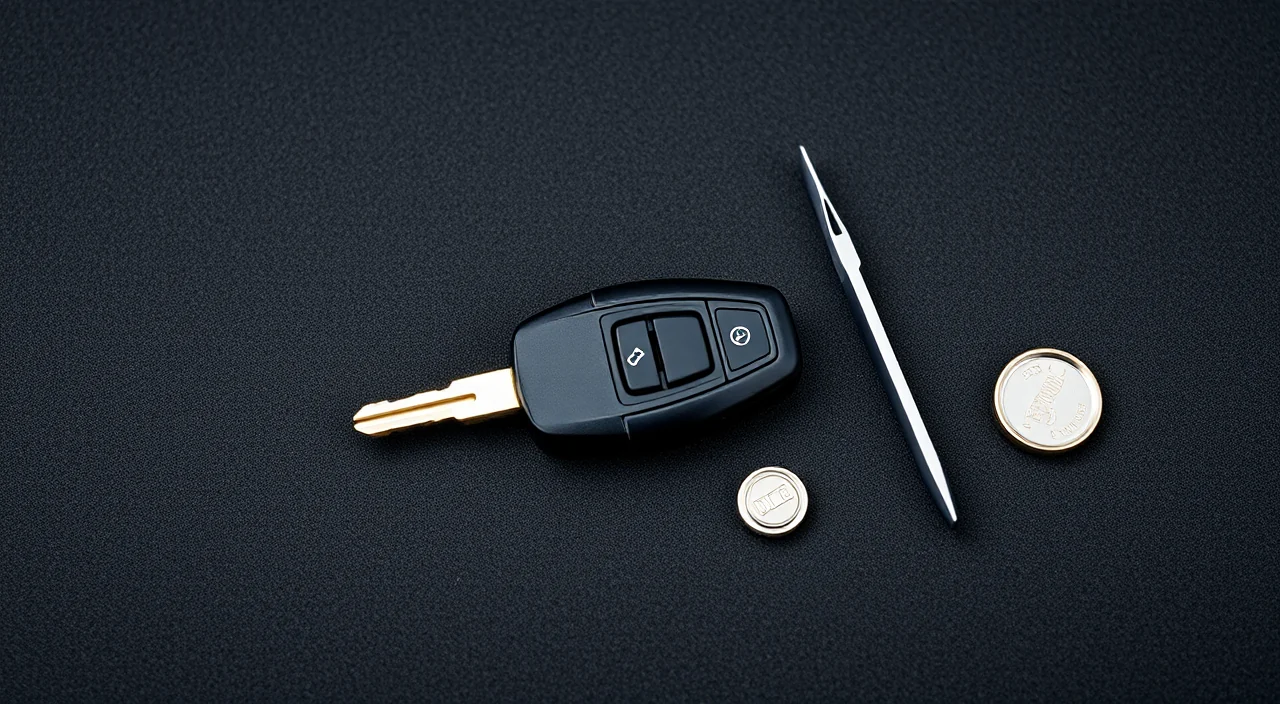
How do transponder keys and immobilisers work together?
A transponder key works by sending a small electronic signal from the key to the vehicle when you try to start it. Inside the plastic head of the key, or inside the fob, is a tiny chip that carries a code. The vehicle's immobiliser checks that code before allowing the engine to run.
The process is quick and usually invisible to the driver. You insert the key or press the start button, the car looks for the chip, and the immobiliser compares the chip's code with the codes stored in the vehicle's system. If the code is accepted, the car allows the ignition, fuel, and engine controls to work as normal. If the code is missing or wrong, the engine may crank without starting, start and shut off, or refuse to respond.
This is why a copied metal blade alone is not enough on many vehicles. The blade may turn the lock, but the car still needs electronic permission. That extra step is what separates traditional keys from transponder keys.
The main parts of the system
It helps to separate the pieces, because drivers often use key, fob, chip and immobiliser as if they mean the same thing. They work together, but they are not identical.
- The key blade - the cut metal part that fits the door lock or ignition.
- The transponder chip - a small chip hidden in the key head or fob. It sends the authorisation code.
- The immobiliser - the anti-theft system inside the vehicle that decides whether the code is valid.
- The antenna or reader - the part near the ignition or start area that reads the chip signal.
- The key fob buttons - the remote buttons used for locking, unlocking, trunk release or panic functions.
A key fob battery can be weak and still have a working transponder chip, depending on the design. Many transponder chips are passive, meaning the vehicle itself powers the chip when the key is close enough to the reader. So if your remote buttons stop working, the key may still start the car. If the chip is damaged or unprogrammed, the buttons may work while the engine does not start.
Why transponder keys improve vehicle security
Older vehicle theft methods often relied on forcing the ignition, copying a basic key shape, or bypassing simple wiring. Transponder keys changed the problem. Even if someone can turn the ignition mechanically, the vehicle still needs the correct electronic code before it will run.
That does not make any car impossible to steal, but it removes many basic theft methods. The immobiliser is designed to interrupt the start process when the correct key is not recognised. For everyday drivers the practical benefit is simple: the car is not only checking whether the key fits, but whether the key belongs to that vehicle.
This added security also explains why replacing a transponder car key is more involved than cutting a house key. A proper replacement has to match the lock mechanically and match the vehicle electronically.
How can you tell if your key has a transponder chip?
You can usually identify a transponder key from the key style, the way the vehicle behaves on starting, and the dashboard security light. A key with a thick plastic head, remote buttons, a flip-out blade, or a push-to-start fob is far more likely to carry a chip than a thin all-metal key.
- A plastic head on the key - most chips are hidden inside the plastic.
- A security light on the dash - a key symbol or security light may flash when an unrecognised key is used.
- Push-button start - proximity fobs use electronic authorisation instead of a traditional ignition turn.
- Remote functions - lock and unlock buttons do not prove a chip is present, but they are a clue.
- Starting symptoms - if a copied blade turns but the engine will not run, a missing chip is the usual reason.
If you have a spare key, compare how the vehicle reacts to each. When one key starts the car and the other only turns the lock, the problem is likely programming or chip damage. If neither key works, the issue could be the immobiliser, the vehicle battery, the ignition, the antenna, or a starting fault that has nothing to do with the key.
Common types of transponder car keys
Not every transponder key looks the same, and the style matters because cutting, programming and troubleshooting all change with the design.
- Standard chip keys - these look like traditional keys but have a plastic head containing the chip.
- Remote head keys - the key blade and remote buttons in one unit.
- Flip keys - the blade folds into the remote body.
- Slot-style keys - inserted into a receiver slot rather than turned like a visible metal blade.
- Proximity smart keys - these allow push-button start while the fob stays in your pocket.
The more integrated the key, the more exactly it has to be matched. A key may need the right blade, chip type, remote frequency and programming procedure all at once. A key that looks nearly identical can still be incompatible with the vehicle.
What happens during transponder key replacement
Replacement means identifying the vehicle, cutting the key, pairing the chip with the immobiliser, and testing the result. The goal is not simply a key that fits the lock, but a key the vehicle recognises.
- Vehicle identification - the year, make, model and key type determine the correct blank and the programming method.
- Ownership check - be ready to show that the vehicle is connected to you.
- Key cutting - the blade is cut to match the vehicle's locks or ignition.
- Chip programming - the transponder code is added to the immobiliser's memory.
- Function testing - the key is checked on the doors, the ignition or push-start, and any remote features.
If every key is lost, replacement is more involved because there is nothing to copy from. The vehicle has to be accessed and programmed in a way that adds a new authorised key. If one working key survives, adding a spare is usually simpler, and it prevents the harder version of this problem later.
Can you program a transponder key yourself?
Sometimes, and it depends almost entirely on the vehicle and on whether you already hold a working key. Some models allow onboard programming through a sequence of ignition turns, door actions or button presses. Many newer or more security-focused systems require diagnostic equipment that talks to the vehicle through its data port.
Before attempting it, find the exact procedure for your specific vehicle and read every step first. The wrong tool or an incorrect sequence may simply fail to add the key. In some cases repeated mistakes can leave you with no working programmed key at all, which turns a spare-key project into a car that will not start.
- You already have at least one working programmed key.
- The vehicle supports onboard programming.
- You have the correct key blank and chip type.
- The instructions are specific to your vehicle, not merely a similar model.
- You are willing to stop if the car does not respond the way the procedure describes.
Professional help is the safer route when all keys are lost, the vehicle uses a smart key, the security light stays lit, the ignition has been damaged, or you are unsure whether a replacement key is compatible at all.
Signs your key or immobiliser needs attention
A transponder fault can look like a flat battery or a starter problem, so the pattern matters. If the engine cranks strongly but never fires, or fires briefly and dies, the immobiliser may be refusing the key. If the remote buttons fail but the car starts normally, the fob battery or the remote circuit is the more likely culprit.
- The security light flashes when you try to start the vehicle.
- One key works and another does not.
- A copied key opens the door but will not start the engine.
- The vehicle reports that the key is not detected even with the fob inside.
- The key shell is cracked near the chip.
- The ignition turns, but the engine stays disabled.
Where possible, test a spare key before replacing any parts. A working spare suggests the vehicle side is healthy and the original key is the problem. If the spare fails too, the fault is more likely in the vehicle, the reader, the battery or the immobiliser itself.
If your key turns the ignition but the engine will not fire, the programming side of this is the service you want. see transponder key programming.
Common questions
Can a mobile locksmith help if all my vehicle keys are lost?
In many cases, yes. The process involves confirming the vehicle information, cutting a new key, and programming it to the immobiliser. Be ready to give the year, make and model, along with something that connects the vehicle to you.
Do I need to tow my car for a transponder key replacement?
Not usually. Mobile equipment can generally handle the cutting and the programming at the vehicle, depending on the key type and the condition of the locks and ignition. If there is damage beyond the key system, that becomes a separate vehicle repair.
What should I check before calling about a transponder problem?
Whether you have a spare key, whether the remote buttons work, what the dashboard security light is doing, and whether the key turns smoothly in the door and the ignition. Check the fob battery too if the car reports that the key is not detected. Those details separate a transponder fault from a remote, lock or vehicle fault.
Can a locksmith make a spare transponder key before I lose the original?
Yes, and it is much simpler while a working key still exists, because the programming has a starting point. Keeping a spare somewhere safe is one of the simplest ways to avoid the harder version of this job.
Related locksmith services
Describe the lock or key problem
A short description of what happened gets the right tools on the vehicle.
Call (408) 418-0044