
Residential Lock Rekeying
Same locks, same doors, a new key — the pins inside change and everything you can see stays exactly where it is.
Call (408) 418-0044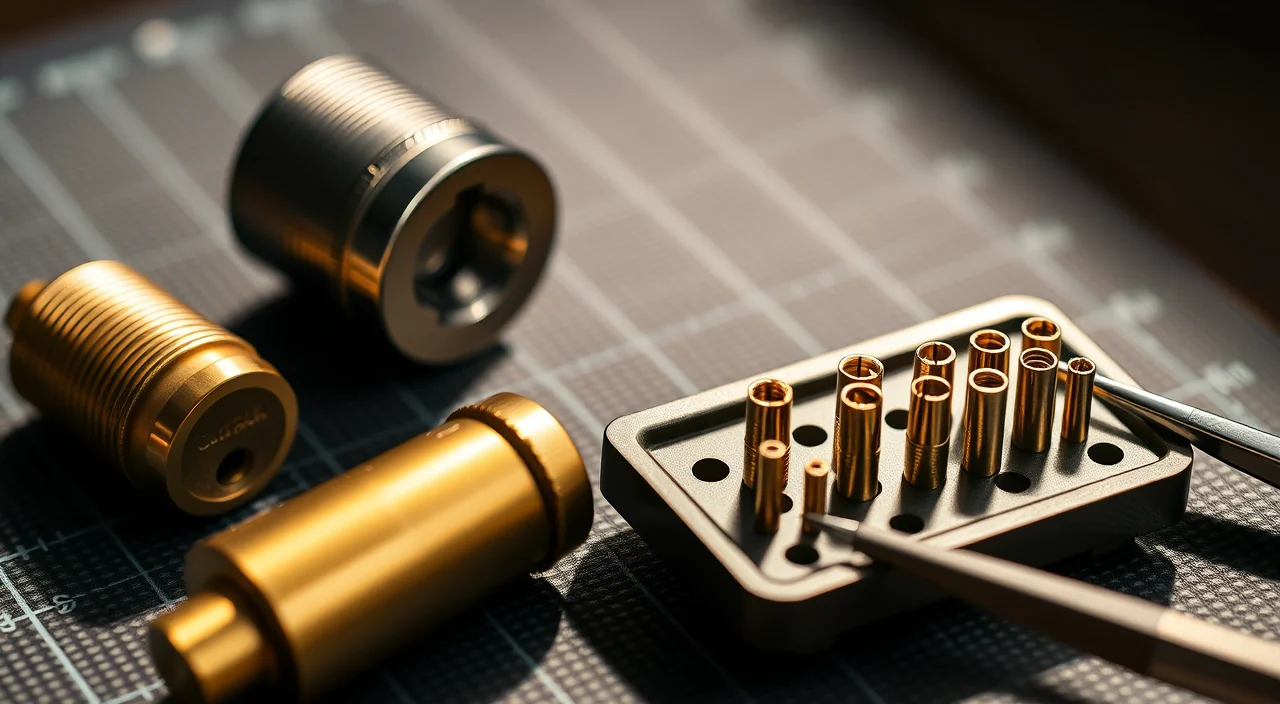
Rekeying replaces nothing you can see. The cylinder comes out of the lock, the plug is pushed clear with a follower, and the small brass pins stacked above it are swapped for a set of different heights so the shear line only lines up for a different key. The knob, the deadbolt, the finish and the door are untouched.
That makes it a narrow tool for a narrow problem: who can open this door. It does nothing for a bolt that will not throw, nothing for a cylinder that grinds, and nothing for a frame that gives way when shouldered. Where the hardware is sound and the key inventory is the worry, this is the entire fix.
What a rekey job actually involves
- Counting cylinders, not doors. A knob with a keyway and a deadbolt above it are two cylinders on one door, and both have to be done before the old key stops opening anything.
- Checking keyway compatibility before promising one key for the house. Cylinders from different makers accept different blade profiles, and matching them sometimes means swapping a plug rather than repinning the one that is there.
- Inspecting the plug while it is out. Chewed pin chambers and a scored plug body will make even fresh pins feel gritty, and that is the moment to decide a cylinder has reached the end.
- Agreeing how many working keys you actually want, because every extra copy is another thing to account for the next time this question comes up.
- Testing with the door open and then closed. A bolt that turns sweetly in the hand and binds in the strike is a door alignment fault the rekey did not cause and will not cure.
Worth sorting out before the visit
- How many keyed cylinders there are, including the garage side door, any gate, and the door you never use.
- Whether you want one key for everything, or deliberately separate keys for some doors.
- Who currently holds a key, and whether any of those need to keep working afterwards.
- Whether the doors are yours to change, if you rent or share the property.
- Any lock that already needs the key wiggled, because that one may need more than new pins.
If the key already grates going in and the plug has to be coaxed round before the bolt moves, fresh pins go into a worn cylinder and the feel barely improves. see lock repair.
Common questions
Does rekeying make a lock less secure?
No. The pin stacks are rebuilt from the same components in a different combination, so the lock ends up mechanically identical to the day it left the factory, answering to a different key. What determines security is the grade of the lock and how well the door is hung and fixed, and neither of those is touched.
Can locks from different brands end up on one key?
Sometimes directly, where the keyways are compatible. Where they are not, the usual route is fitting a matching cylinder into the odd lock out and leaving the rest of that hardware alone, which is far less work than replacing whole lock sets. It is worth asking before assuming a mixed house has to stay mixed.
How many keys should I ask for?
Enough for the people who live there, plus one spare kept somewhere that is not the property. Beyond that you are building a list you cannot remember, which is the same problem you are rekeying to solve.
Some of my deadbolts can be rekeyed by the homeowner. Should I just use that?
You can, and it works. The catch is that those mechanisms rely on a small internal carrier that jams if the reset is attempted on a dirty or worn cylinder, and once it jams the lock has to come off the door. A self-rekeying deadbolt that has already refused a reset is hardware to replace rather than a puzzle to persist with.
Related locksmith services
Describe the lock or key problem
A short description of what happened gets the right tools on the vehicle.
Call (408) 418-0044