
Electronic Door Locks
Everything the door needs lives inside the lock, which is a strength right up until the day it is not.
Call (408) 418-0044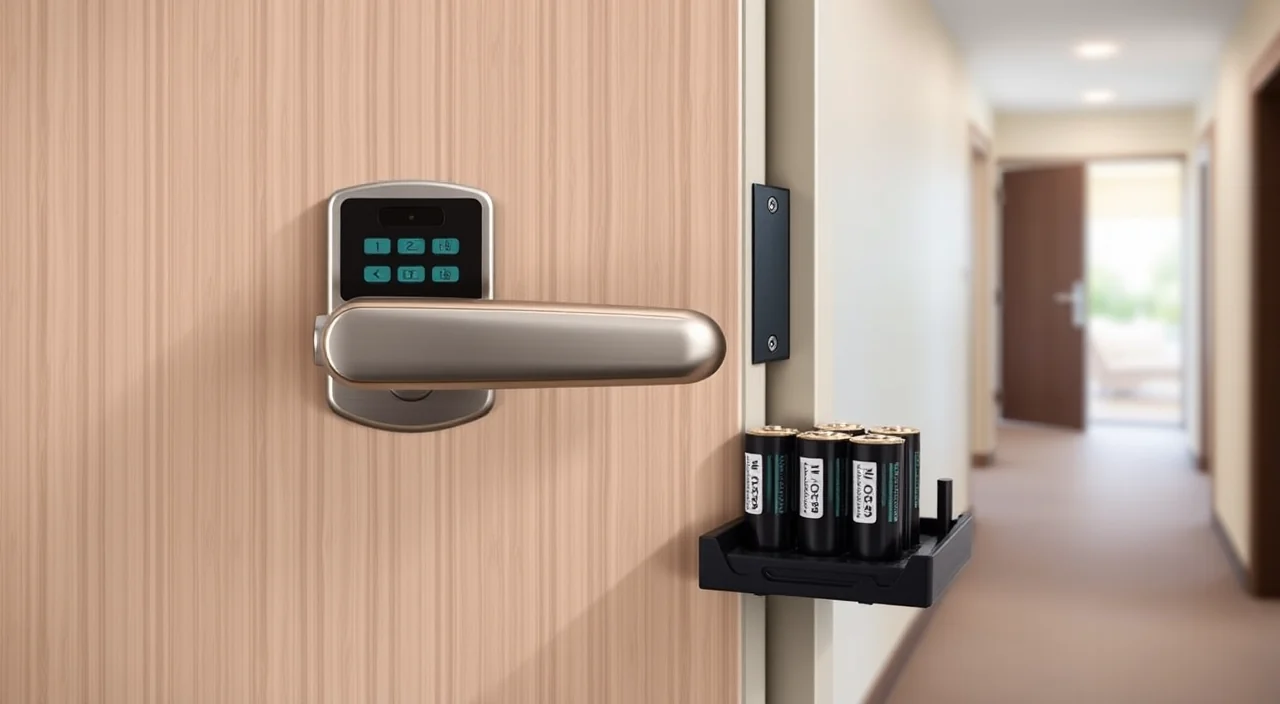
An electronic lockset puts the reader, the decision and the motor into the door hardware itself. Batteries in the lock, credentials stored in the lock, and nothing cabled into the frame. That makes it the sensible answer for interior doors where cutting the frame for an electric strike and running power would be wildly out of proportion to the risk being managed.
It also concentrates every failure into one component. A flat battery, a stripped motor gear or a seized clutch takes the door with it, and there is no separate strike to fall back on. So the useful questions are how it warns you before it fails, how you get in once it has, and whether the mechanical lock hiding underneath the electronics is any good on its own.
What separates a good one from a bad one
- The lock body underneath. Strip the electronics away and you have a latch and a lever. If that part is light, the intelligence bolted onto it does not make the door any stronger.
- Low battery behaviour. A useful lock warns for weeks and then fails in a defined state, rather than going from fine to dead between one evening and the next morning.
- The override path — a key cylinder, or external contacts that let a battery be held against the lock long enough to get the door open.
- Where the credentials live. Locks holding their own user list keep working when a network does not, at the cost of every change meaning a visit to that door.
- Exterior suitability. Cold, damp and direct sun shorten battery life and work their way into seams, and an interior rated lockset on an outside door fails early.
Have this settled before choosing
- Which doors are interior and which face the weather.
- How many people need each door, and how often that list changes.
- Whether somebody will realistically own the job of changing batteries.
- Whether you want each door managed at the door, or all of them from one place.
- Whether the door has to keep working through a power cut, which battery locks generally do.
If the door needs to be tied into an alarm, released from a reception desk, or reported on centrally, a lock that stands alone in the door will never reach that far. see access control systems.
Common questions
How long do the batteries actually last?
It depends far more on use than on the specification, because the motor only draws current when the door is opened. A store cupboard opened twice a day and an entrance opened two hundred times behave nothing alike. Treat the low battery warning as the schedule and change them when it starts rather than when it stops.
Can an electronic lock go on our existing door?
Often, because many are built around standard commercial door preps and drop into the same bore or mortise pocket as the lock they replace. What has to be checked is the door thickness, the backset and whether the existing hole matches. On a metal door a wrap plate covers a surprising amount of mismatch.
Is an electronic lock a security downgrade?
Not inherently, but it moves the weak point. Mechanical parts resist force; the electronics resist people who should not hold a credential. A strong lock body with a default code still set on it is a well built door standing effectively open, and that combination is more common than it should be.
What if the lock fails while the door is shut?
That is exactly what the override exists for, and it is worth testing on the day the lock is fitted rather than the first time it is needed. Where there is no override, getting in means dismantling or drilling the lockset, which is why an override path is the first thing to look for when choosing one.
Related locksmith services
Describe the lock or key problem
A short description of what happened gets the right tools on the vehicle.
Call (408) 418-0044