
Safe Locksmith Near Me
“Safe locksmith near me” covers opening a locked-out safe, servicing a worn dial or keypad, and changing a combination after a move or a staff change — the approach depends on how the safe is actually built.
Call (408) 418-0044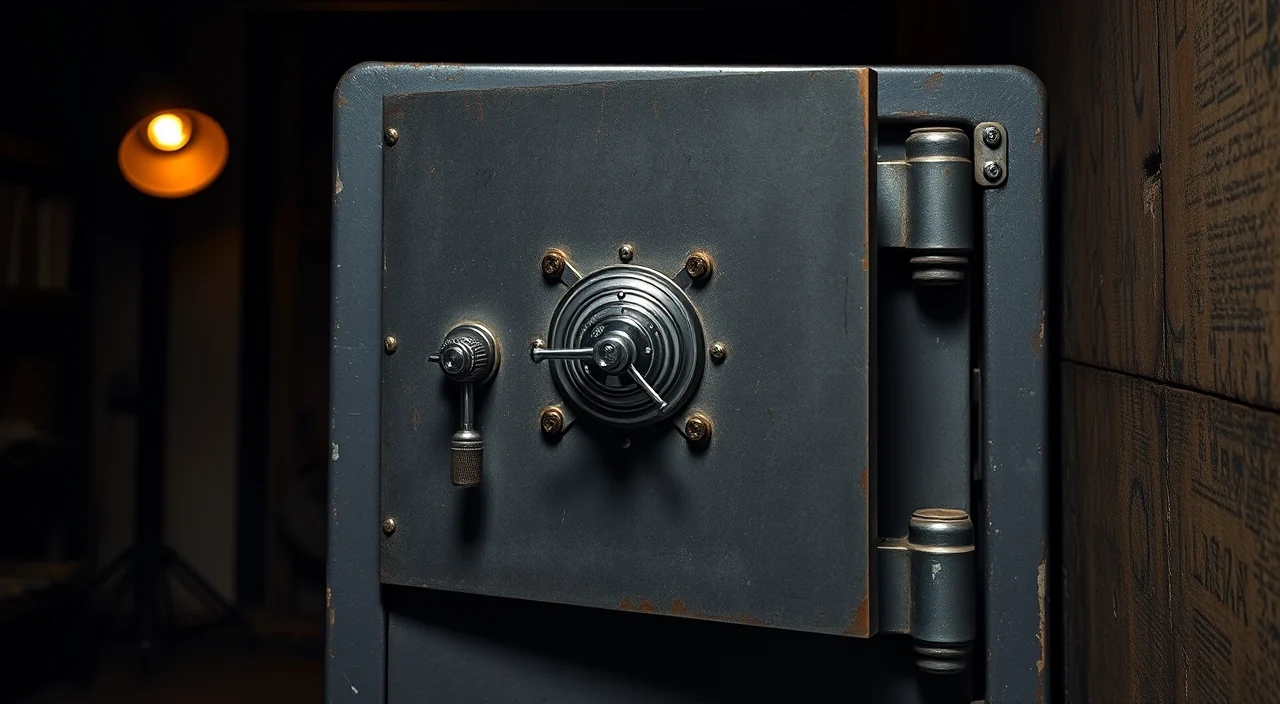
Safes fail in a small number of recognisable ways. The combination has been forgotten, or was never written down in the first place. The dial has drifted out of alignment and now opens on numbers slightly off the ones you were given. An electronic keypad has flat cells, or its solenoid has stopped throwing. Or the bolt work has jammed against a door that was slammed rather than closed. Each of those has a different route in, and guessing between them is what damages safes.
The other thing worth knowing early is that safes vary enormously. A light fire-resistant document box, a gun safe, a jeweller's unit and an old cast body out of a commercial building are not the same object in different paint. The make, the approximate age and the type of lock decide whether an opening is quick, slow, or a job that ends with the lock being replaced.
Office and commercial safes are the same job as any other — a floor-mounted document safe in a home office, a cash safe behind a retail counter, and a filing-cabinet-style unit in a commercial suite are all safes first and furniture second, and get opened and serviced the same way.
What decides how a safe is opened
- The lock type — a mechanical dial, a key lock, an electronic keypad, or two of them on the same door.
- Whether the combination is wrong or the lock has failed. A dial that reaches the last number and stops dead is a different fault from one that spins straight through it.
- Batteries, on anything electronic. Flat cells account for a large share of safes that have supposedly died, and many units carry an external contact point for exactly that situation.
- The construction — a thin document box and a heavy plate body are entirely different amounts of work once a mechanical opening is needed.
- Whether it has been attacked already. A previous attempt with a drill or a bar tends to decide the method all by itself.
Have this ready
- The make and approximate age of the safe, plus a photograph of the door if you can take one.
- Whether the lock is a dial, a keypad, a key, or more than one of those.
- Whether the combination is unknown, wrong, or known but no longer working.
- Whether it is a floor unit, wall mounted, or built into masonry.
- Whether you can show that the safe and its contents are yours.
If it is a filing cabinet or a desk pedestal rather than a safe, the locks are a different family altogether and much lighter work. see file cabinet locks.
How safes are actually rated, and why it matters for opening one
Commercial burglary safes are classified under UL 687 by tool-resistance time — a TL-15 rating means the door resisted a standard set of hand and power tools for at least 15 minutes in testing, TL-30 means 30 minutes, and an X6 suffix means every side was tested, not just the door. Home safes (often called gun safes) fall under a different standard, UL 1037, rated in three tiers (I, II, III) since a 2016 revision replaced the old one-size five-minute test. A safe's rating is a reasonable predictor of how it should be opened when a combination is lost: a higher-rated door is built to resist exactly the shortcuts a lower-rated one might allow.
Common questions
My dial safe opens only sometimes. What is that?
Usually wear or drift in the mechanism rather than any mistake on your part. The wheels and the drive cam wear, and the true opening numbers move slightly away from the ones on your card. It is a service job, and continuing to force it while it is out of alignment is what turns it into an opening job.
Does opening a safe destroy it?
Not necessarily. Many are opened by manipulation, or by a small precise entry that is afterwards repaired and the lock replaced, leaving a usable safe. Heavy units and those already attacked are the ones where the outcome is less certain, and that gets discussed before anything begins.
The keypad is dead. Is the safe ruined?
Almost certainly not. Start with the battery, since many keypads run on cells that fail without warning and some units have an external jump point on the front. If fresh power changes nothing, the fault lies in the keypad or the solenoid, and both are replaceable parts rather than the end of the safe.
Can the combination be changed once it is open?
On most safes, yes. Mechanical dials are changed with a change key through the back of the lock, and electronic keypads have a programming sequence. It is worth doing during the same visit, particularly on a safe that arrived with the property.
Is a home gun safe rated the same way as a commercial burglary safe?
No. Commercial burglary safes are rated under UL 687 with TL time-based ratings (TL-15, TL-30 and X6 for all-side attacks). Residential security containers — most home gun safes — fall under UL 1037, which uses a separate three-tier system (Level I, II, III) introduced in a 2016 revision.
Related locksmith services
Describe the lock or key problem
A short description of what happened gets the right tools out for the job.
Call (408) 418-0044